Exploring Japanese Beauty Standards – How Pretty Are You In Japan?

Beauty standards are vastly different across the globe. While you’re almost certainly familiar with Western beauty standards, how do Japanese beauty standards fare in comparison? Find out here!
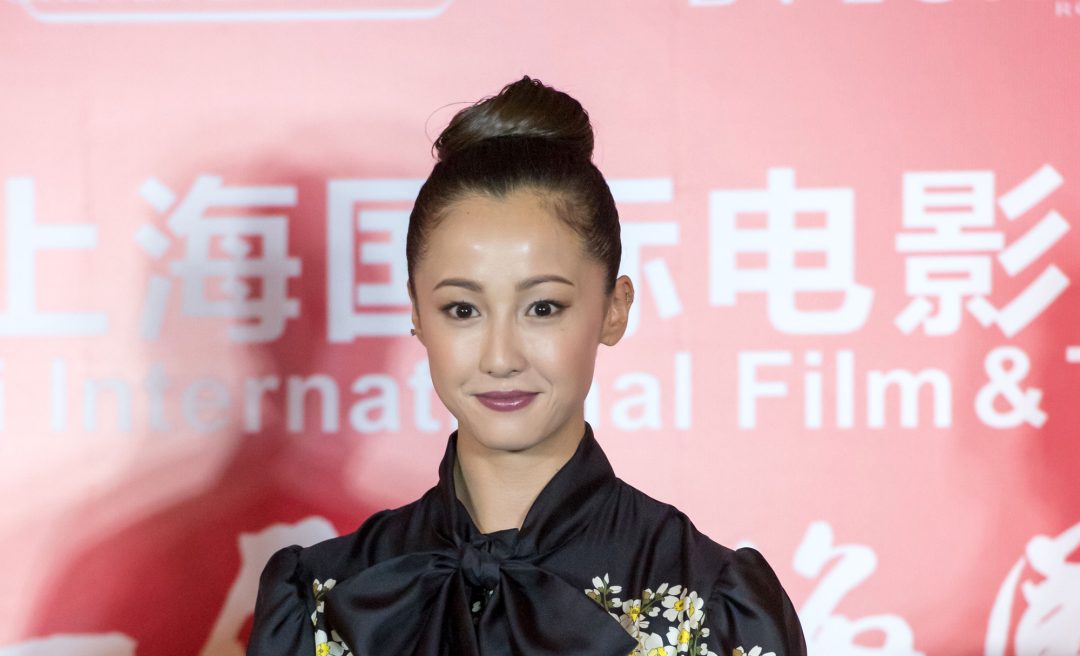
Japanese beauty standards for women have been shaped by a complex interplay of historical, cultural, and societal factors. From the traditional ideal of “bijin” or a beautiful person in classical literature to the modern-day expectations of kawaii (cute) and sophisticated elegance, the definition of beauty in Japan has evolved over time.
In recent years, Japanese beauty products and trends have gained global popularity, from skincare routines to fashion styles, albeit not quite as much as their neighboring Korea. However, much like in Korea, these beauty standards have been criticized for perpetuating unrealistic expectations and promoting conformity.
In this article, we will explore the history and current state of Japanese beauty standards for women and their impact on individuals and society.
Modern Japanese Beauty Standards: The Main Points
1. Pale Skin
Japanese beauty standards place a high value on fair, white skin. This preference for lighter skin tone is rooted in Japan’s history, where members of the nobility and upper classes would avoid getting tan as a way of distinguishing themselves from peasants and laborers who would be exposed to the sun while working outdoors.
Today, many Japanese women use sunscreen to prevent a tan, as well as skin-whitening products to achieve a lighter complexion. Plus, if you go to Japan in the summer, you’ll see almost everyone carry a sun umbrella to shield themselves from the sun’s UV rays to prevent getting a tan. It’s also common to avoid showing a lot of skin, no matter how hot and humid it gets in the summertime.
In addition to having fair skin, women are expected to have clear skin with no visible blemishes – a sign of health.
2. Small Face
In Japanese beauty standards, having a small face, or “小顔” is considered desirable and attractive. A small face is often described as one that is proportionally smaller than the average size of the head, with a narrower jawline, a smaller chin, and more delicate features. This preference for a small face is believed to give a woman a more youthful and feminine appearance.
There are many methods and techniques that Japanese women use to achieve a smaller face, including facial exercises and massages, as featured in the video above, as well as makeup techniques such as contouring. Additionally, some women may undergo cosmetic procedures, such as jawline reduction surgery or Botox injections in the masseter muscles, to achieve the look of a smaller face.
3. Doe Eyes
In Japanese beauty standards, having big eyes with double eyelids is considered most desirable and attractive. Double eyelids refer to the crease or fold that exists on the upper eyelid, which creates a distinct contour line that separates the eyelid from the rest of the face. Double eyelids are often associated with Western features, which, thanks to pop culture, are often considered very sophisticated in Japan.
In addition to this, bigger eyes, in general, are thought to be more attractive because they create the appearance of more open and alert eyes. Women with larger eyes are often seen as more youthful, approachable, friendly, and engaging.
Many Japanese women use various methods to enhance their eyes, such as double eyelid tape, eyelash extensions, and contact lenses to create the illusion of larger and more expressive eyes.Of course, double eyelid surgery is also an option to create or enhance the crease.
However, it is important to note that while big eyes with double eyelids are often considered desirable in Japanese beauty standards, not all women naturally have this feature.
4. High Nose
In case you are confused, a high or tall nose refers to a stereotypically European nose that has a high bridge and a defined tip, which creates a more prominent and sculpted appearance, instead of a flat nose that is more common in Asian countries.
Women with high noses are believed to have more refined and elegant facial features, which are often associated with beauty, sophistication, and status. While you can’t change your bone structure without cosmetic surgery, many Japanese women use various methods to enhance their noses, such as makeup contouring, nose lifting tape, and nose filler to achieve their desired look.
5. Thin Body
The ideal body type for a woman is slender and petite with gentle curves and slim legs; however, the ideal bust size can range from modest to moderately big, depending on which gender you ask.
Women are expected to have a small, delicate frame with a flat stomach and slender limbs, and not look too toned or muscular – this can be a turn-off to Japanese men.
In terms of height, the ideal woman is relatively short; somewhere between 5 feet 1 inch (about 155 cm) to 5 feet 4 inches (about 163 cm), according to Statista.
6. Healthy Hair
Japanese women have naturally black hair, but the beauty standard also includes other variations of dark hair, like auburn brown, dark brown, chestnut brown, etc.
While Japanese people, in general, love the look of naturally blonde hair on European women, this color often looks unnatural and harsh on their own features and thus wouldn’t be classed as a beauty standard. Instead, blonde and light hair can be seen as a sign of rebellion in the highly conformist Japanese society.
As for hair length, Japanese girls and women love both short and long hair that is slightly shorter hair than typical long hair in the US or Europe. The ideal length is somewhere between shoulder length and hair that extends past the shoulders, often accompanied by face-framing bangs. With this said, many Japanese celebrities also sport shorter bobs.
The ideal hair is straight or styled to be wavy.
7. Natural Makeup
In Japanese beauty standards, natural makeup is much preferred over heavy and dramatic makeup looks. Natural makeup refers to a subtle and understated look that enhances certain features that we’ve already discussed, such as large eyes, a nose that appears sculpted, and a flawless complexion.
The preference for natural makeup is rooted in the cultural values of simplicity, elegance, and modesty. It’s also seen as a way to show respect for oneself and others, as it can be considered inappropriate to draw too much attention to oneself with heavy makeup.
With this said, it is also considered somewhat rude to leave the house with an entirely bare face. While your makeup should look natural, you should still absolutely have some on your face to show respect to those around you, whether that’s in a work environment or when meeting friends.
8. Conforming Clothing
Japan is a country where society expects one to conform and not to stick out. When you visit Japan, you’ll notice that certain garments, like the Burberry trench, are very popular and appear a lot wherever you go.
In general, the ideal clothing style is often characterized by a balance between modesty, elegance, and individuality. Women in Japan are known for their stylish and sophisticated fashion sense, which is often influenced by both traditional and contemporary elements.
The ideal clothing style often involves well-tailored or slightly oversized garments that don’t reveal too much skin, and that come in muted and neutral colors. Clothing that is too tight or too revealing is generally frowned upon and considered inappropriate, even in the height of summer.
Japanese fashion also places a strong emphasis on quality and attention to detail. High-quality fabrics and craftsmanship are highly valued, as they contribute to the overall elegance and sophistication of the outfit. This also explains why high-status luxury fashion brands like Louis Vuitton, Chanel, Fendi, and others, are so coveted in Japan.
Our Favorite Japanese Beauty Products
1. Lipsticks
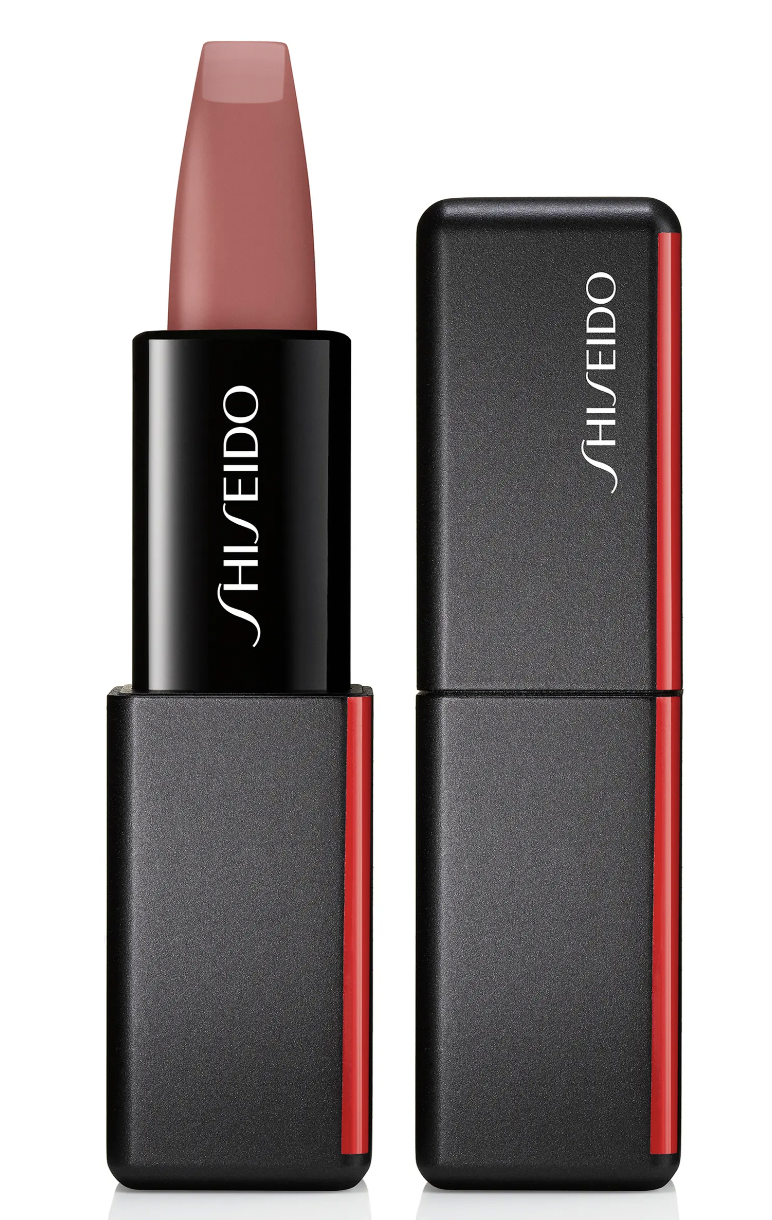
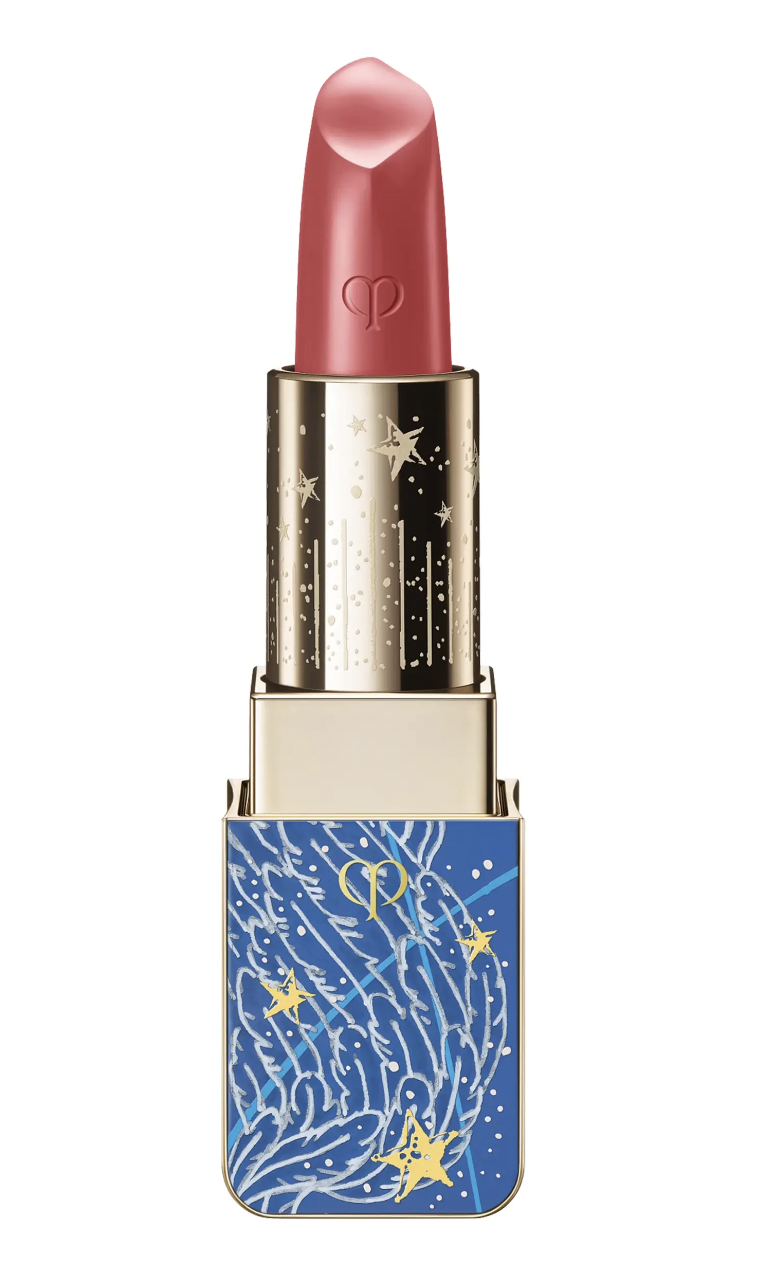
In Japanese beauty standards, the preferred lipstick colors for women are often subtle and natural-looking shades that enhance their natural beauty. Light pinks, nudes, and soft corals are among the most popular lipstick colors in Japan, as they complement a wide range of skin tones and create a youthful and fresh appearance.
We love these two options from Japanese brands Shiseido and Clé De Peau Beauté for a subtle yet effective lip.
2. Blush Highlighters
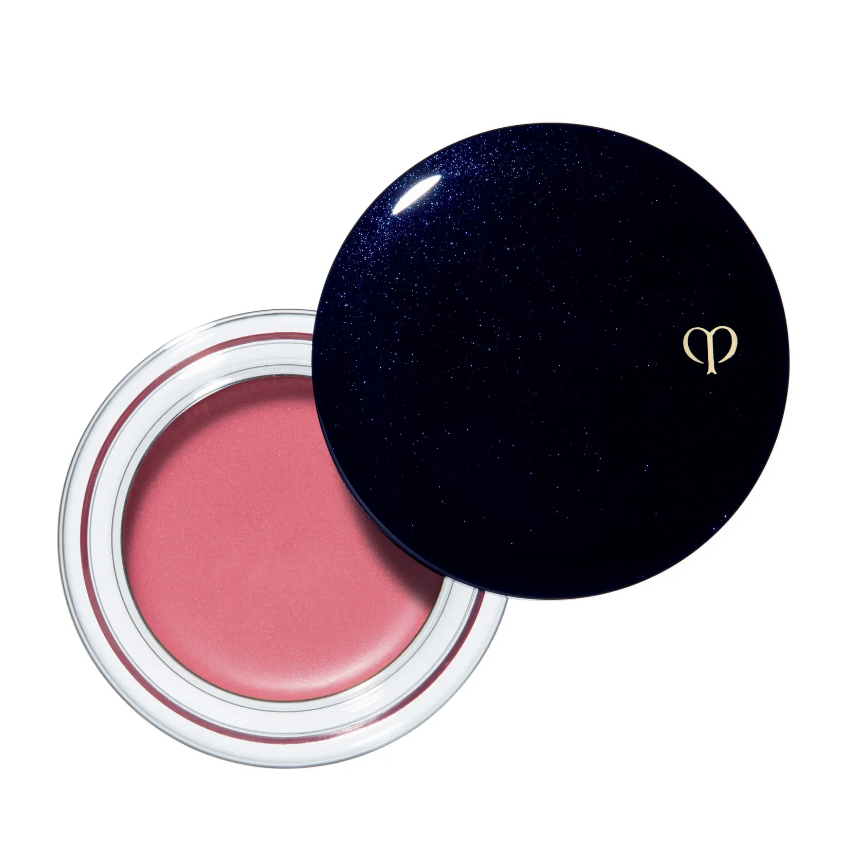
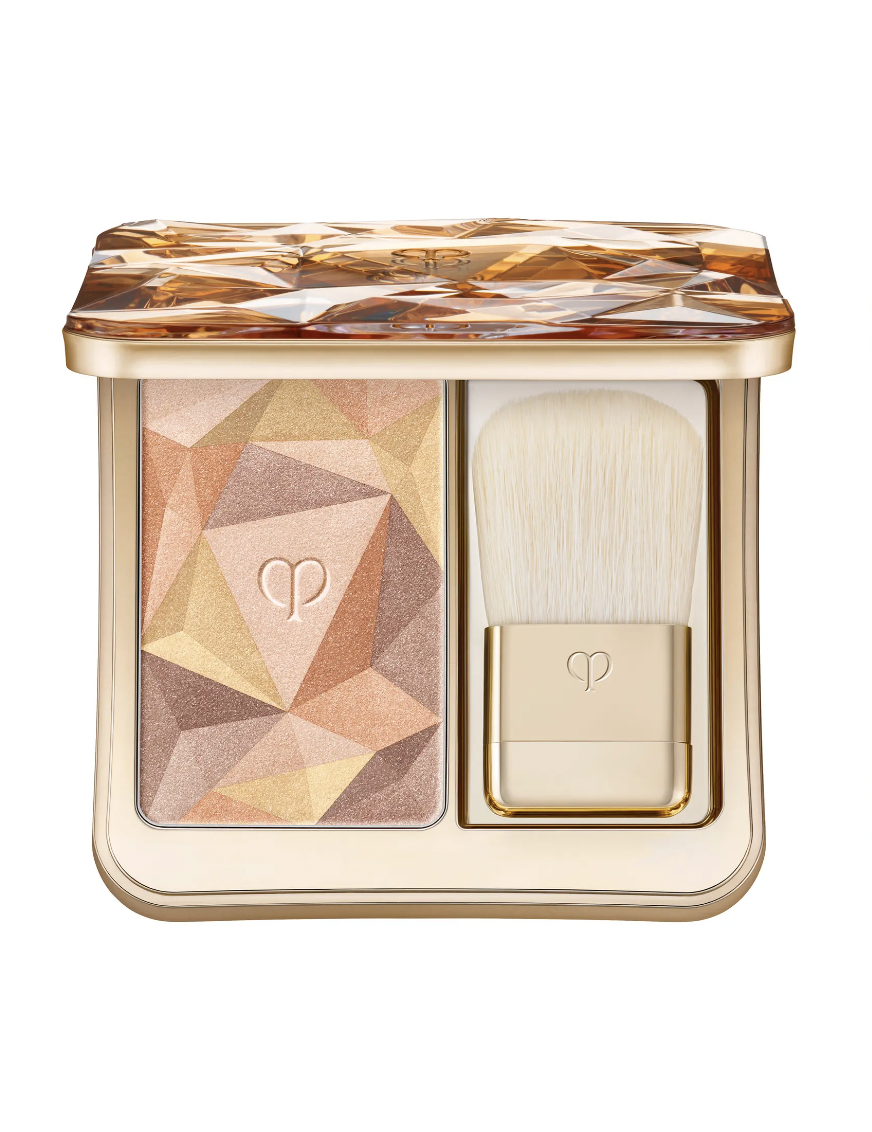
In Japan, the preferred blush and highlighter colors for women are often soft and subtle shades that create a natural and glowing complexion.
Soft pink and peach shades are among the most popular blush colors in Japan, as they create a natural-looking flush on the cheeks that complements a variety of skin tones. These shades are often preferred over bolder or brighter blush colors, which can be seen as too attention-grabbing or garish in Japanese culture.
When it comes to highlighter, Japanese women often prefer a subtle and understated glow rather than an overly dramatic or sparkly effect. Champagne and gold-toned highlighters are popular options, such as this one from Clé De Peau Beauté in shade 203.
3. Skincare
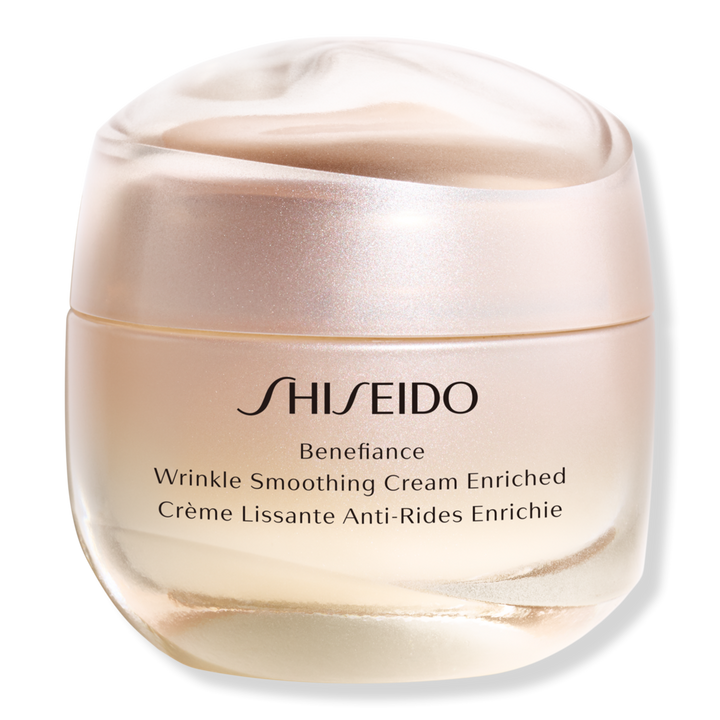

The Japanese are obsessed with skincare products and use them religiously, which is why many of the beauty brands hailing from Japan have such effective formulations.
Shiseido is of course one of the best-known beauty brands from Japan, but we also recommend checking out SK II – the brand’s Facial Treatment Essence has been a cult favorite ever since its launch.
Conclusion
Japanese beauty standards are a fascinating mix of traditional and modern ideals, reflecting a unique cultural perspective on what is considered beautiful. From the preference for small faces and high nose bridges to the emphasis on natural-looking makeup and soft, subtle colors, these beauty standards reflect a desire for understated elegance and refinement.
Ultimately, beauty standards are subjective and vary across cultures and individuals. While these standards may not be universal or applicable to all women, we do not see them changing in Japan that rapidly in the near future, as many of the same preferences have been around for decades. This doesn’t mean that we either agree or disagree with these standards – all women are beautiful in their own way.
Get More Beauty Ideas
Everything You Need To Know About Chinese Beauty Standards
15 Best Japanese Moisturizers For All Skin Types Budgets